
Start with the property you have
Already have a piece of land in South Texas? Bring that into the home-shopping conversation early. A favorite kitchen or porch can help you picture life there, but the property deserves a place beside the floor plan from the beginning.
Start a simple property folder. Add the address or parcel information, any survey you already have, photographs, and notes about how you want to use the land. Leave space for unanswered questions. You do not need to turn yourself into a site planner; the goal is to make the next conversation more specific.
Find out which questions apply to your address
TDHCA's buyer guidance flags land-use restrictions, utility connections, and permits as topics to check before placing a home. Contact the city or county office responsible for your property, and review any deed restrictions or community rules that may apply. Ask who can confirm the details for your exact parcel.
Keep a short record of each conversation: the office, the person's name, the date, and anything they ask you to provide. Requirements vary by property. A neighbor's project can be a useful conversation starter, but it does not answer the questions for your own land.
Walk the route from the road to the homesite
Clayton's delivery guidance identifies tight turns, narrow roads, trees, fences, and overhead obstacles as details to discuss with the delivery team. Photograph your entrance and the route toward the proposed home location, especially places that are difficult to describe over the phone.
Include a wide view and a closer view of each concern. Mark where you were standing on a simple sketch. Ask for a professional access review before planning changes to the entrance or removing anything. Your photographs are conversation aids, not a delivery clearance.
Give water, ground conditions, and utilities their own page
HUD identifies soil, the support system, drainage, and utility connections as installation considerations. Bexar County also provides a floodplain development review process. For land elsewhere in Texas, ask the appropriate local office which floodplain questions apply to the parcel.
Record what you know and what still needs confirmation. A useful list might look like this:
- Water: provider or existing system, contact person, and open questions.
- Wastewater: sewer or septic, existing records, and who will assess the proposed use.
- Electricity: provider, existing service location, and connection questions.
- Ground and drainage: low areas you have observed and questions for a qualified site professional.
Picture the whole day on the property
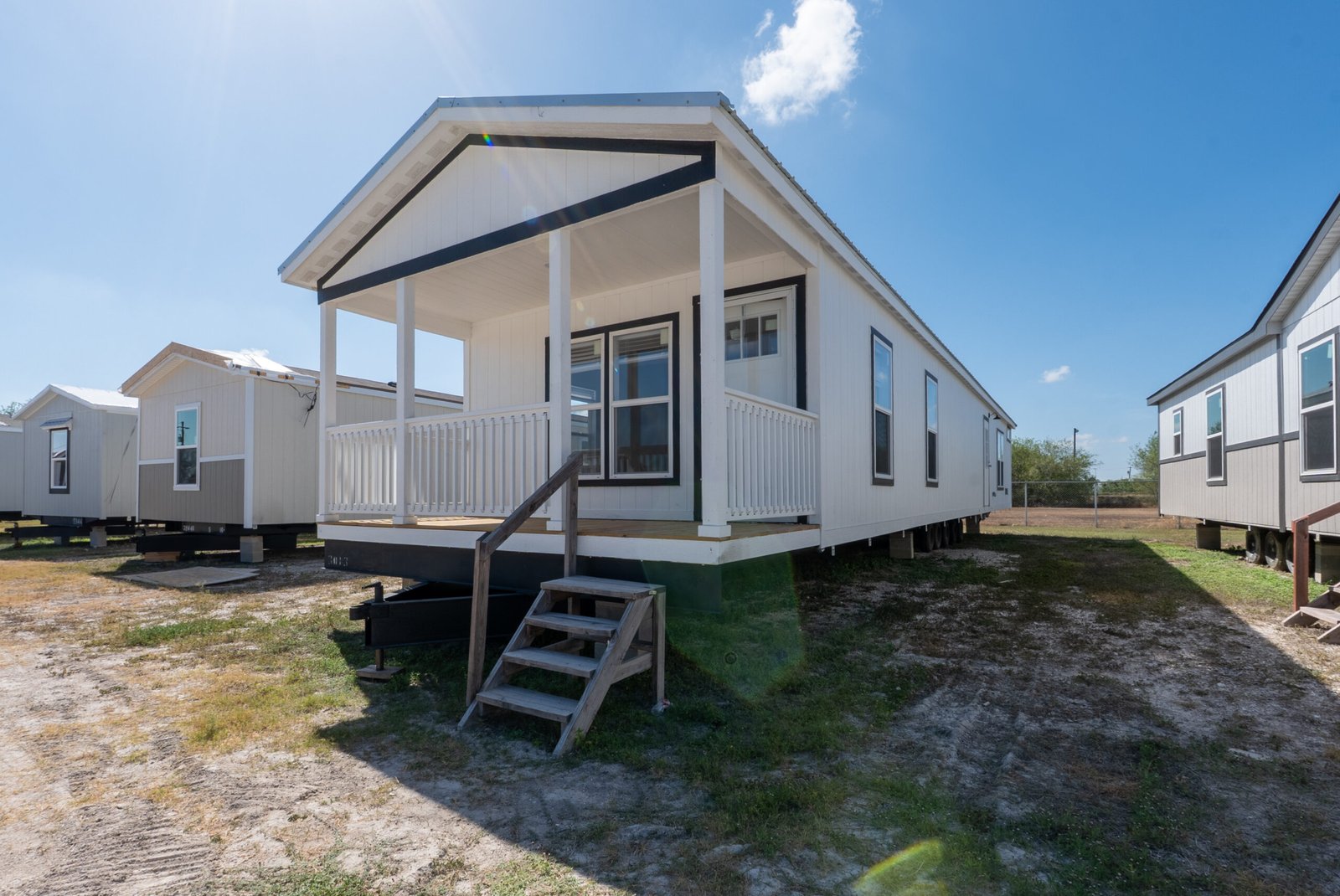
On your sketch, add where you would park, bring in groceries, sit outside, and store outdoor equipment. Think about the door you would use most often. If you want a porch or another future improvement, put it on the question list now so it can be discussed with the people reviewing placement.
Then compare a few home plans against that picture. Write down what attracts you to each one and what the property review still needs to resolve.
Bring the land and the home into one conversation
Tell MHC Von Ormy where your land is, what you know about it, and which questions remain. We welcome conversations with shoppers across Texas, with a focus on South Texas. Browse homes with your property notes nearby, and use our turnkey-services guide to organize questions about the work, responsibilities, and sequence for your project.